This fall, two new professors will join the Maine Law faculty.
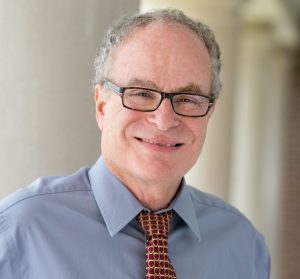
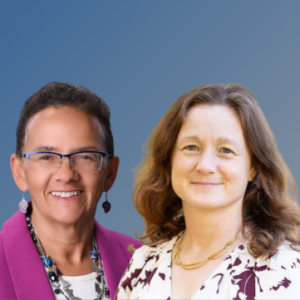
Professor Lisa Avalos joins the faculty as a professor of criminal law. A nationally respected scholar whose work centers on gender based and sexual violence, Avalos brings to Maine Law a deep commitment to justice, inclusion, and practice ready legal education. Her approach to teaching and scholarship closely aligns with Maine Law’s mission and its long standing dedication to serving the people of Maine and safeguarding their futures.
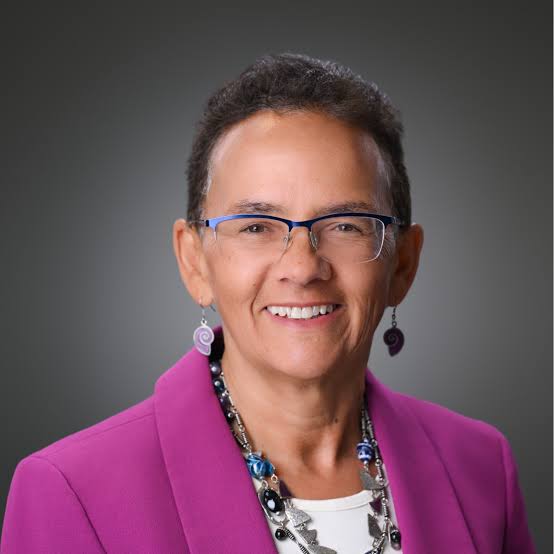
Avalos is a criminal law scholar whose research addresses some of the most complex and pressing challenges facing the U.S. legal system. Her work examines how gender based and sexual violence are investigated and prosecuted, how institutions respond to survivors, and how accountability can be strengthened within the criminal legal system. At the core of her scholarship is a belief that prevention is just as important as prosecution, and that law, policy, and legal education must evolve to better protect individuals and communities.
Society needs to do more to prevent harm,” Avalos says. “We are still learning how to do that effectively, and legal education plays a critical role in shaping the lawyers who will take on that work.
That sense of responsibility to students, to the profession, and to the public shapes her approach to teaching. As a first year criminal law professor, Avalos emphasizes foundational skills such as careful case reading, analytical reasoning, and understanding how the common law system operates. She views criminal law as a gateway course that helps students build habits of thinking they will carry throughout their legal careers.
Associate Professor Alice Farmer will also join the Maine Law faculty this fall.
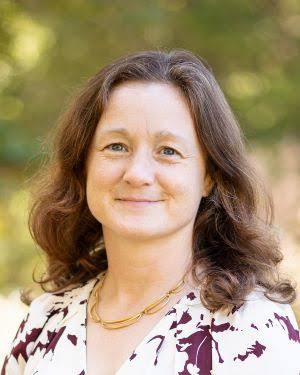
Farmer brings extensive experience in international human rights and refugee advocacy, with a career focused on protecting the rights of displaced and vulnerable populations. Her work has spanned global and domestic contexts, including research, policy development, and direct engagement with legal systems affecting refugees. Much of her research is on human rights and human mobility in climate change. She will teach environmental law during her inaugural semester.
At Maine Law, Farmer will help students develop a strong foundation in complex and rapidly evolving areas of practice. Her teaching will emphasize both doctrinal knowledge and practical skills, preparing students to navigate coming challenges with precision and empathy.